Published
Visible water is only part of the problem
After standing water is removed, materials such as drywall, wood framing, subfloors and concrete continue to hold moisture. That moisture is what leads to warping, odours and mould if it stays put.
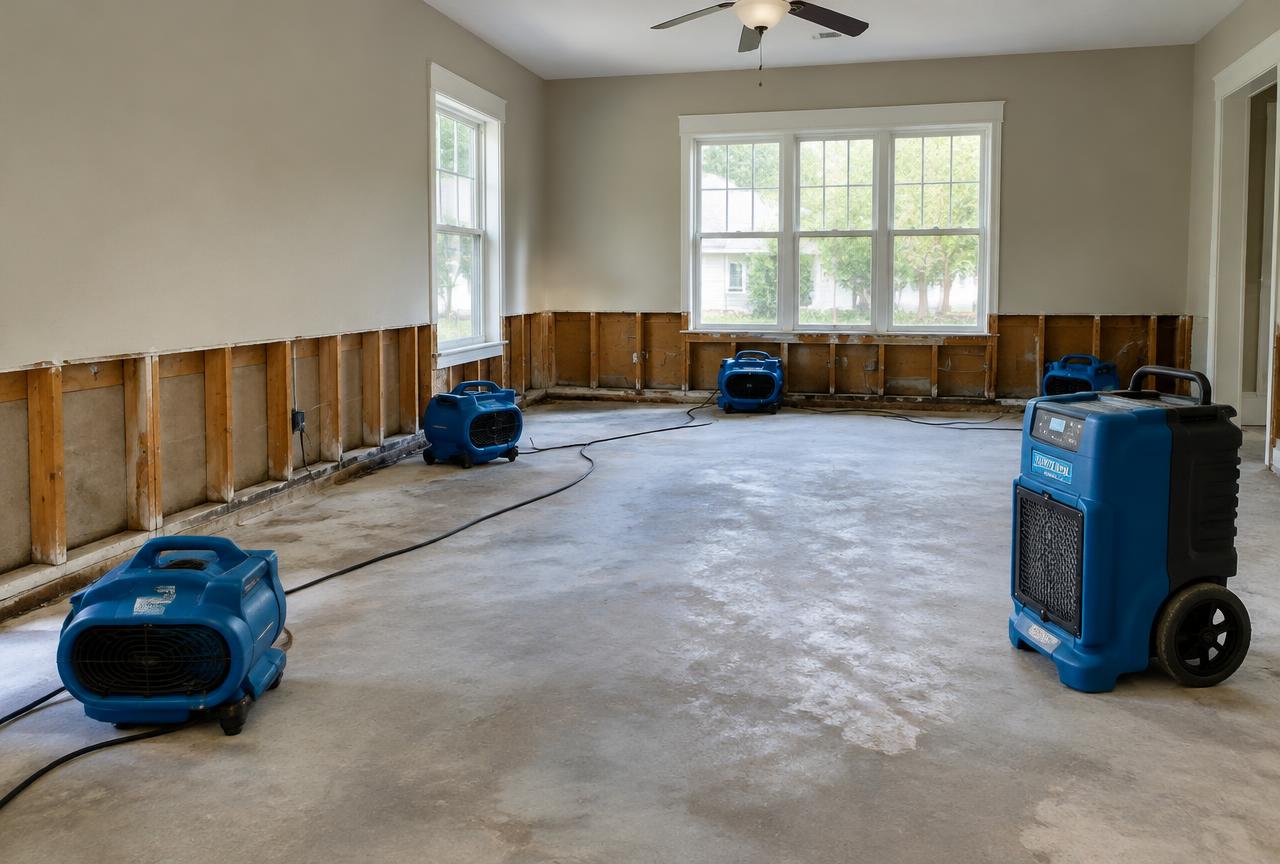
How structural drying works
- Air movers increase evaporation from wet surfaces
- Dehumidifiers remove moisture from the air
- Temperature management can speed evaporation
- Moisture meters track progress against dry reference readings
What happens if drying is skipped
Closing up walls or installing new flooring over damp materials can trap moisture. Months later, problems may show up as cupped floors, recurring stains or musty smells.
Drying versus replacing
Proper drying can allow some materials to be dried in place rather than torn out, which can reduce repair scope. Some materials, especially those affected by contaminated water, still need removal.
Related services
Quick FAQ
Dealing with water damage right now?
Call Water Damage Richmond Hill 24/7 for emergency help.
Call Now — (289) 814-5573