Published
Put safety first
Before you do anything else, think about electricity. If water is near outlets, appliances or the electrical panel, do not walk through it. If you can reach your panel safely from a dry location, shut off power to affected areas. If not, wait for help.
Also watch for sagging ceilings, which can hold a surprising amount of water, and for slippery surfaces.
Stop the water if you can
For plumbing leaks, close the main water shut-off valve. In most Richmond Hill homes it is located in the basement near the front wall, where the water line enters from the street. For appliance leaks, a local shut-off valve behind the appliance may be enough.
Document before you clean
Take photos and video of affected rooms, the source of the water if visible, and damaged belongings. These records are useful when talking to your insurer and to restoration professionals.
Protect belongings
- Move furniture off wet carpet or place foil or plastic blocks under legs
- Lift rugs, curtains and items stored on the floor
- Move electronics, documents and photos to a dry room
- Do not use a household vacuum on standing water
Call for help early
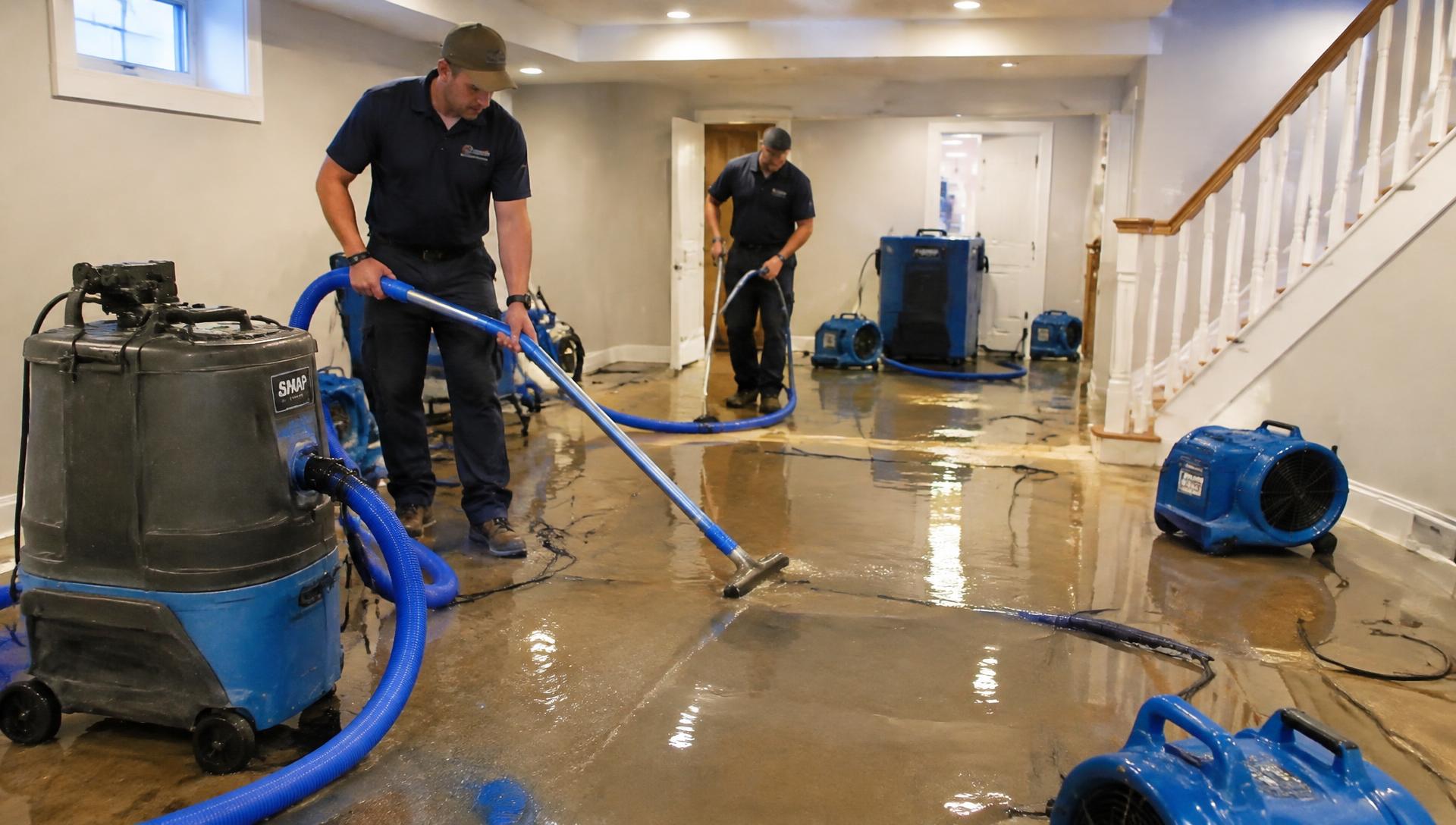
Moisture spreads into drywall, insulation and subfloors faster than most people expect. Calling a restoration team early helps start extraction and drying before more materials are affected. If you are in Richmond Hill, you can reach Water Damage Richmond Hill at any hour.
Related services
Quick FAQ
Dealing with water damage right now?
Call Water Damage Richmond Hill 24/7 for emergency help.
Call Now — (289) 814-5573